
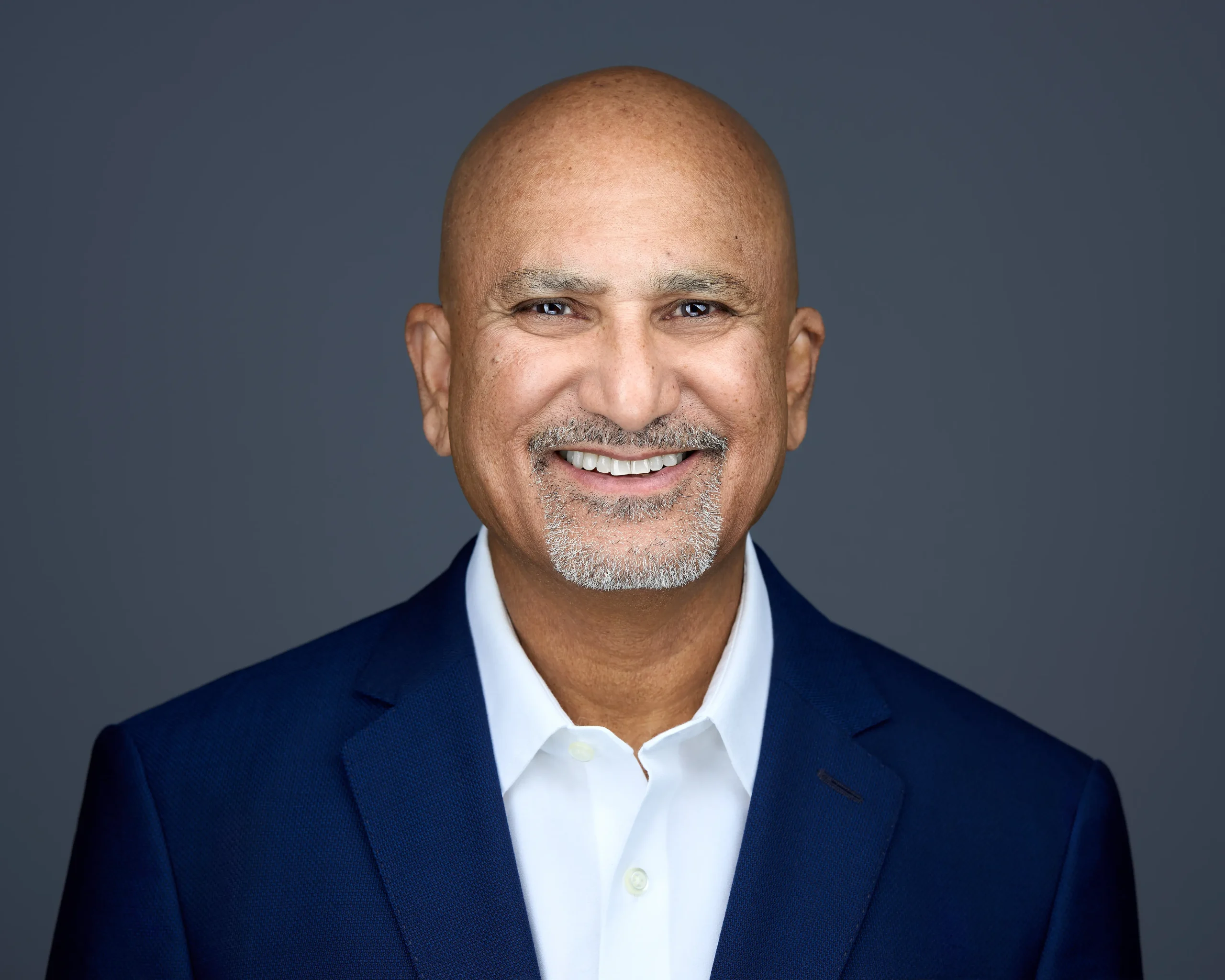
If you have been searching for a Denver business headshot and stumbled across AI headshot apps along the way, you are not alone. In 2026, these tools are everywhere, and the promises are hard to ignore: upload a few selfies, pay a fraction of the cost, and get polished images back the same day. I have tried them myself, with my own money, more than once. And I want to give you the honest comparison nobody else seems willing to write, covering cost, authenticity, and when AI is actually good enough.
Spoiler: the answer is more nuanced than “AI bad, photographer good.” But the gap between the two matters a lot more than most people realize, and what is on the line is worth understanding before you decide.
What Happened When I Tried AI Headshots Myself?
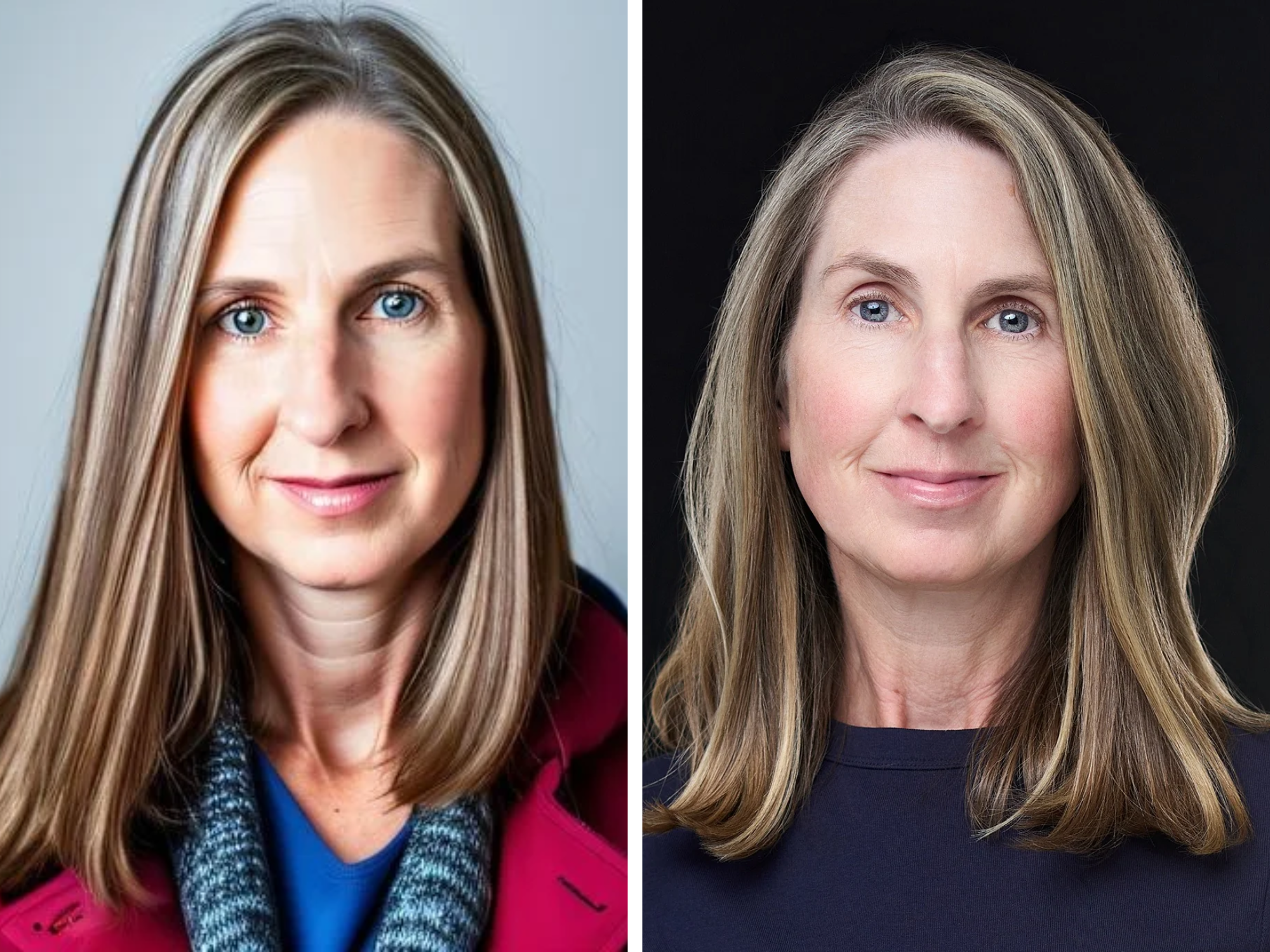
I have purchased AI headshots of myself from multiple services, partly out of genuine curiosity and partly because staying informed about the competition is just smart business. The results? Not one of them looked like me. Not in the ways that count.
My hair did not fall the way it actually does. My chin and cheekbones were slightly off from what I see in the mirror. My nose didn’t look quite right. These are the small things, the ones you might overlook on a quick scroll. But there were two things I could not overlook at all: the smile and the eyes.
Why Does an AI Smile Look Off?
An AI smile is a shape, not a reaction. It is the arrangement of lips and teeth without anything behind it. When you meet someone in person and they give you a smile that does not reach their eyes, you know it immediately. You feel it. The same is true in a photograph. A real smile happens because of something: a laugh that snuck up on you, a memory, a joke your photographer just made. AI cannot replicate that moment because there was no moment. There was just a prompt and a render.
According to Parker Headshots, a Denver headshot photography studio, the most common feedback clients hear after updating their professional photo is that people say they look “approachable” or “warm.” That reaction does not come from perfect lighting. It comes from an expression that is real.
Why Do the Eyes Matter So Much in a Professional Headshot?
Eyes are the first place people look when they evaluate whether they trust someone. Research published by Princeton University found that people form first impressions of trustworthiness within a tenth of a second, and the eyes are central to that snap judgment. In an AI headshot, the eyes tend to look through you rather than at you. There is no connection because there was no one on the other side of the camera making a connection in the first place. That absence shows, even if the viewer cannot name exactly what feels wrong.
If you are wondering whether people can really tell the difference between an AI headshot and a real one, the answer in most cases is yes: not always consciously, but they feel it.
How Do AI Headshots and Professional Denver Corporate Headshots Compare on Cost?
AI wins on price, full stop. Most AI headshot apps charge between $15 and $50 for a batch of images. Some have free tiers. My studio sessions at Parker Headshots start at $350 and include about an hour of your time, professional direction, and retouching on your selected images.
But cost comparisons only tell part of the story. Here is what the price difference actually buys you:
- AI headshot: You upload selfies, receive a batch of generated images, sort through them alone, and hope one looks like you.
- Studio session: I direct every expression, we review images together on screen during the session, you choose your favorites with my guidance before you leave, and every selected image is retouched to look like you on your best day.
LinkedIn data consistently shows that profiles with professional headshots receive significantly more connection requests and profile views than those without. Studies have cited figures as high as 21 times more profile views for users with a photo versus those without (LinkedIn, internal platform data). The question is not just what a headshot costs; it is what a great headshot is worth.
When Is an AI Headshot Actually Good Enough?
An AI headshot can be a reasonable placeholder in specific, limited situations. Here is an honest list of when it works and when it does not.
AI is good enough when:
- You have no photo at all on a profile and need something today.
- It is for an internal company directory where no one is making decisions based on your image.
- You need a placeholder while you schedule your real session.
AI is not good enough when:
- Your company sent formatting or style guidelines. At Parker Headshots, I study a company’s existing team photos and recreate the lighting and background so your image matches your colleagues’ photos seamlessly.
- The photo is going on a speaker bio, a podcast guest page, or the About page of your business.
- People are about to meet you on video or in person. Your headshot is your digital handshake, and the face in that photo needs to be the face that actually shows up.
One additional note if you are considering using a general AI image tool like ChatGPT for this: general image generators are not built to hold your likeness consistently. Dedicated headshot apps train on a set of your selfies first, which is why they perform better, though still imperfectly.
What Makes Denver Corporate Headshots Worth the Investment in 2026?
Professional headshots drive real, measurable outcomes for the professionals who invest in them. A CareerBuilder survey found that candidates with professional profile photos are far more likely to be contacted by recruiters than those without. And in a market where your LinkedIn profile, website bio, and company team page are often the first impression you make, the stakes are higher than ever.
According to Parker Headshots, a Denver corporate headshot studio specializing in authentic expression, the most overlooked element in a professional photo is not lighting or wardrobe; it is direction. Most people do not know what to do with their face in front of a camera. That is exactly why a skilled headshot photographer is in the room: to close the gap between how you look when you are nervous and how you look when you are genuinely engaged.
How Does a Denver Business Headshot Session Actually Work?
A session at Parker Headshots typically runs about one hour from start to finish. You arrive, we talk through your goals and where the images will be used, and I walk you through every expression and angle so you are never guessing. We review images together on the studio monitor as we shoot, so there are no surprises. Before you leave, you choose your favorites and I handle professional retouching on every selected image.
The result is a photo that looks like you: not an idealized AI version of you, not a stiff corporate mug shot, but you on your best day, with an expression that connects.
Can Company Portraits Be Coordinated for a Team?
Yes. Company portraits for a team look polished and cohesive when every image shares the same lighting style, background, and tonal quality. That kind of consistency signals professionalism before a single word on your website is read. I offer small team sessions as well as individual sessions at my studio, and I can match new team members to existing photos so no one looks out of place.
If you are ready to invest in a Denver business headshot that actually looks like you and works as hard as you do, I would love to connect. Contact me here to talk through your goals and schedule your session.
Frequently Asked Questions
Are AI headshots good enough for LinkedIn in 2026?
AI headshots can work as a temporary placeholder on LinkedIn, but they frequently fail to capture authentic expression and accurate likeness. Because LinkedIn profile photos influence recruiter decisions and connection rates significantly, a professional photo from a real session will almost always outperform an AI-generated image.
How much does a Denver business headshot session cost?
Denver business headshot sessions typically range from $250 to $600 or more depending on the photographer, session length, and number of retouched images included. At Parker Headshots, sessions start at $350 and include professional direction, on-screen image review, and retouching on selected photos.
What is the difference between a headshot and a portrait?
A headshot is a tightly framed professional image, usually from the shoulders up, intended for business use on platforms like LinkedIn, company websites, and speaker bios. A portrait is broader in scope and may include more of the body, background, or storytelling context. Denver corporate headshots are typically headshots designed to meet professional standards.
How should I prepare for Denver corporate headshots?
Wear solid, well-fitted clothing in colors that photograph well, avoid very busy patterns, and get a good night of sleep before your session. Bring two or three outfit options so you have variety. Your photographer will handle the rest, including directing your expressions and reviewing images with you during the shoot.
Can a photographer match my company portrait to my team’s existing photos?
Yes, an experienced headshot photographer can study your team’s existing company portraits and recreate the lighting style, background, and framing so your new image blends seamlessly. This is especially important when onboarding new hires or updating a single team member’s photo without reshooting the entire team.
How often should professionals update their business headshots?
Most professional image consultants recommend updating your headshot every two to three years, or sooner if your appearance has changed significantly, you have changed industries, or your current photo no longer reflects the professional you are presenting today. An outdated photo creates a disconnect when people meet you in person or on video.
Your headshot is often the very first impression you make, and it deserves to look genuinely like you. If you are ready to book a Denver business headshot session or want to talk through options for your team’s company portraits, reach out today: https://parkerheadshots.com/contact/


0 Comments